1.3.1 “For our freedom and yours”
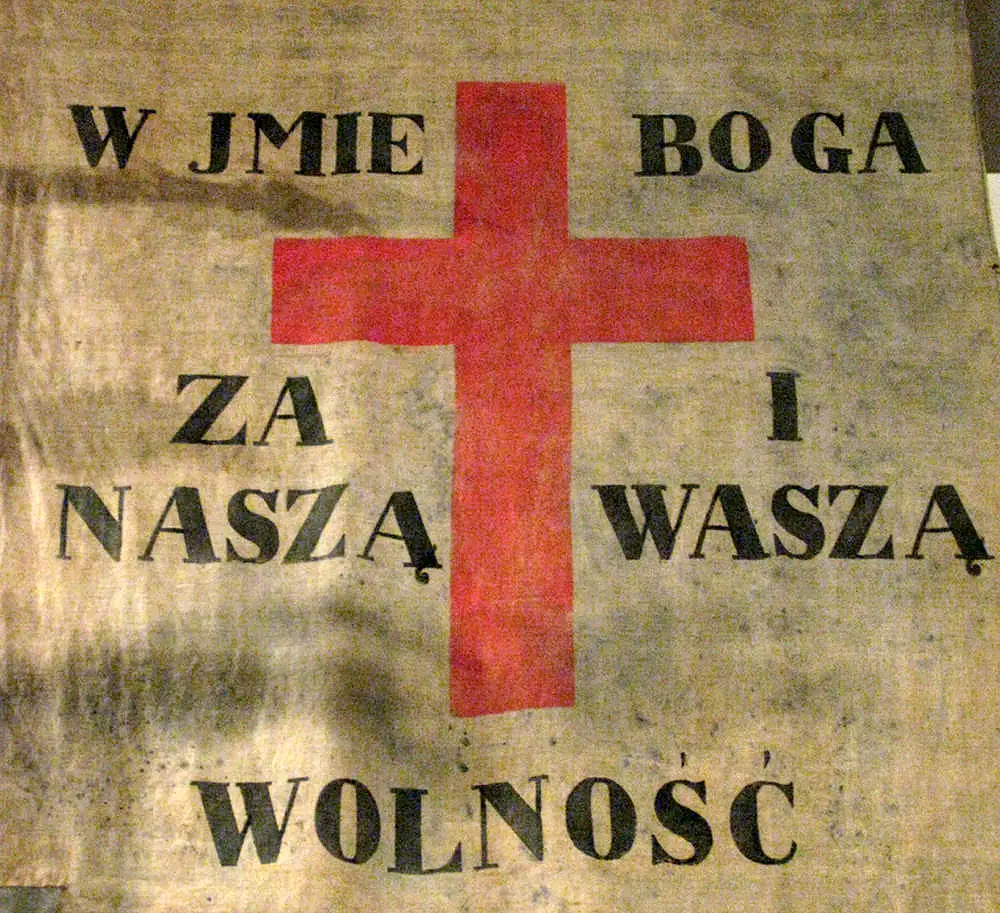

The end of the 18th century saw Poland annexed by neighbouring powers: Russia, Austria and Prussia. During the 19th century, attempts to unite the country by force were unsuccessful. Repression and the search for new ways to fight for independence obliged the insurgent authorities and the Polish elite to emigrate, mainly to France. This exodus is known as the Great Emigration.
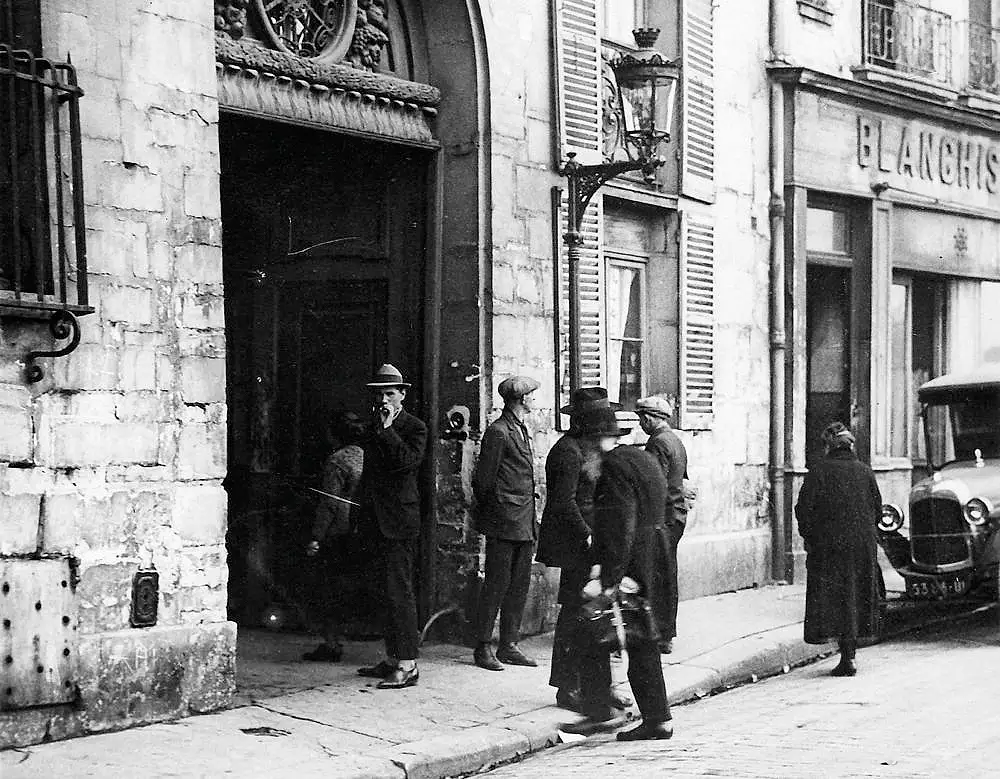
The Polish “Great Emigration” began after the uprising of 1830-1831, when Poland was divided between the Russian Empire, the Kingdom of Prussia and the Austrian Empire. After the Congress of Vienna (1815), the Kingdom of Congress succeeded the Duchy of Warsaw and the Tsar became the sovereign of this state, which enjoyed a degree of autonomy. The failure of the Russian authorities to respect the 1815 constitution led to an uprising marked by bloody fighting. Hunted down, stripped of their civil rights and deprived of their property, the Polish insurgents were forced into exile. They were mainly military or political leaders. Most of them settled in France, mainly in and around Paris.
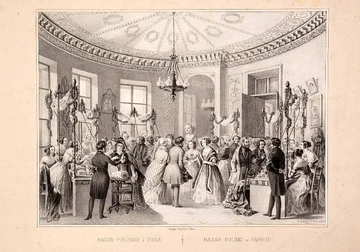
These early emigrants included many eminent representatives of Polish arts and letters (for example, Chopin and Mickiewicz). They initiated an intense cultural and intellectual life and forged numerous links with French literary and artistic circles.
Associations, Polish schools, libraries, printing works, bookshops and parishes emerged. Among these were historic institutions, such as the Société historique et littéraire polonaise (SHLP) (Polish Historical and Literary Society).
The largest contingent of emigrants left Poland in 1831, but the flow never stopped. The intensification of “Russification” and the repression of national aspirations led to another insurrection in 1863. Russian victory was accompanied by the almost complete abolition of Polish autonomy, executions, deportations and confiscations. A new wave of refugees escaped to France.