6.4.1 “Times were going to be exceptionally hard.”
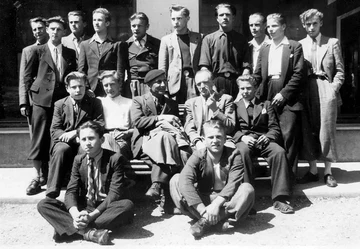
—Tadeusz Łepkowski, student. A free Polish school in occupied France (2012), based on Wolna szkoła polska w okupowanej francji (1990).
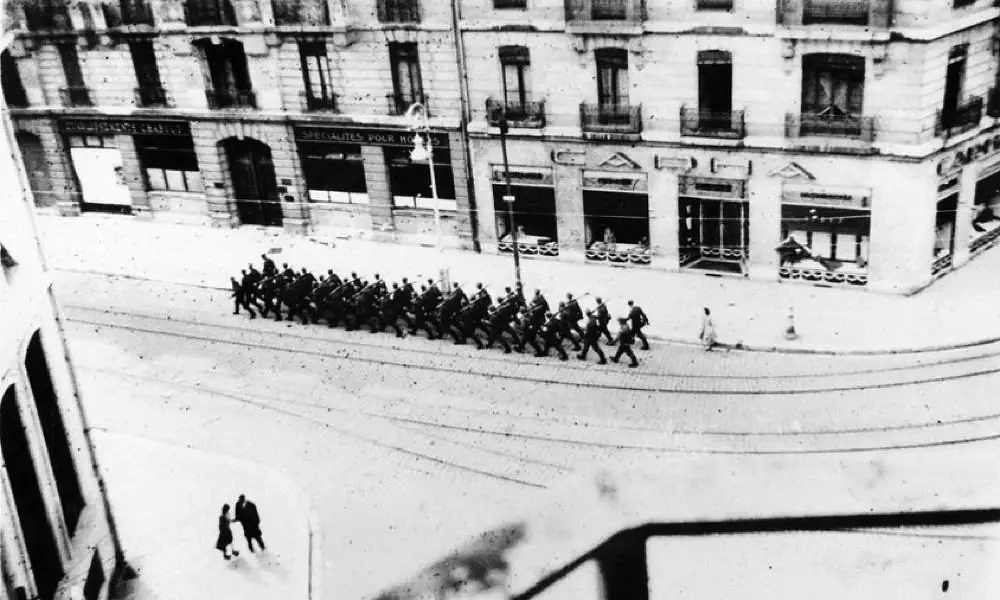
Back in 1940 and 1941, Zaleski was already worried about developments in the unoccupied zone. Fearing increased German pressure on the Vichy government, he was particularly concerned about the high school, and he was not wrong. Godlewski also knew that times were going to be exceptionally hard for Poles living in France and for the Villardians. This was even more true from September 1943 onwards, when the Germans took over the Italian occupation zone east of the Rhône.
An increasingly harsh occupation, a marked deterioration in the food supply, the creation in February 1943 of the Service du Travail Obligatoire (STO – Compulsory Labour Service), the growing number of deportations to Germany, the increased role of French fascist movements in the administration of the country, the intensification and growing brutality of the repression of the Resistance and its sympathisers, but also the repeated military successes of the anti-Nazi forces, had caused a clear change in the state of public opinion in France. The Vichy regime had lost much of the credibility it had enjoyed in its early days. Anti-German sentiment was growing very quickly. The atmosphere became heavier, especially in the mountain regions where the Resistance had long been established, benefiting from the benevolent support of the local populations. The eye of the storm was closing in on the peaceful village where Zaleski and Godlewski thought they had found an idyllic refuge.