6.3.1 “I set off.”
Escape routes (Les Villardiens, Ewa Valentin-Stączek)
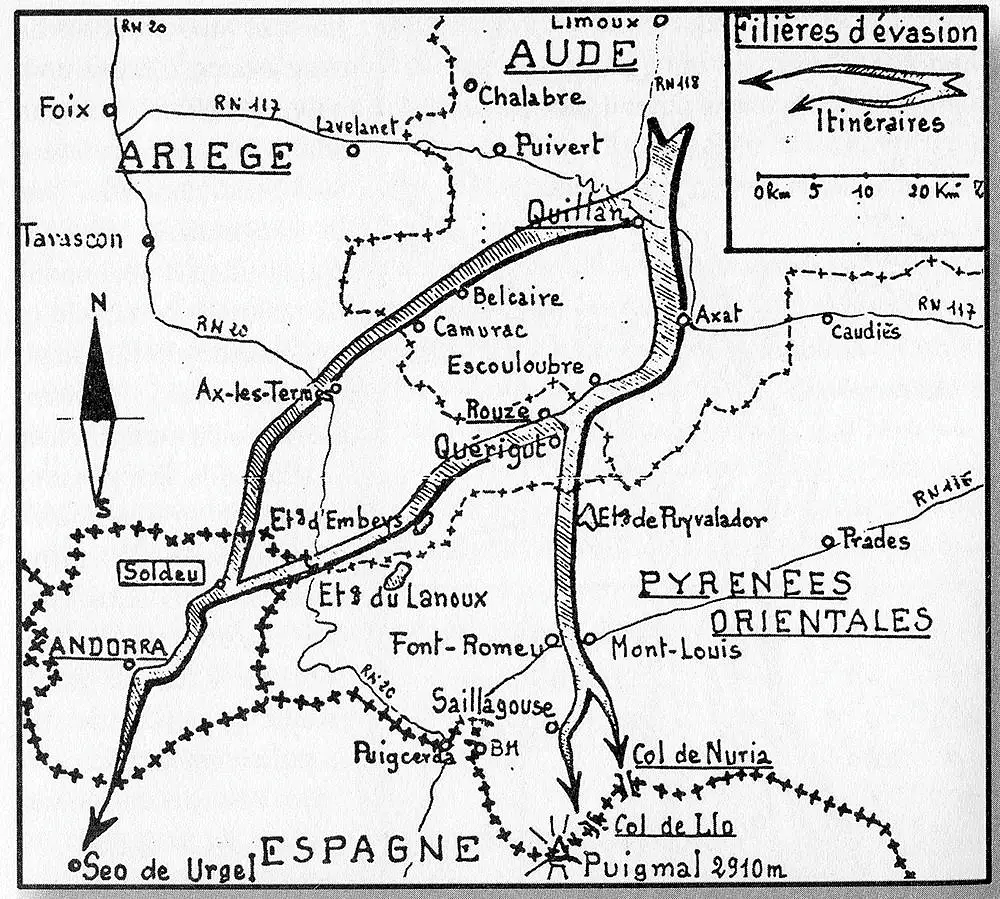

One form of Resistance was to escape from France to Britain. This was attempted by more than ninety students and three teachers, and involved crossing the Pyrenees, and then travelling via Spain, Portugal, Gibraltar, Algeria etc. Several were intercepted. Those who succeeded joined officer training colleges and Polish divisions. They subsequently contributed to the liberation of Europe.
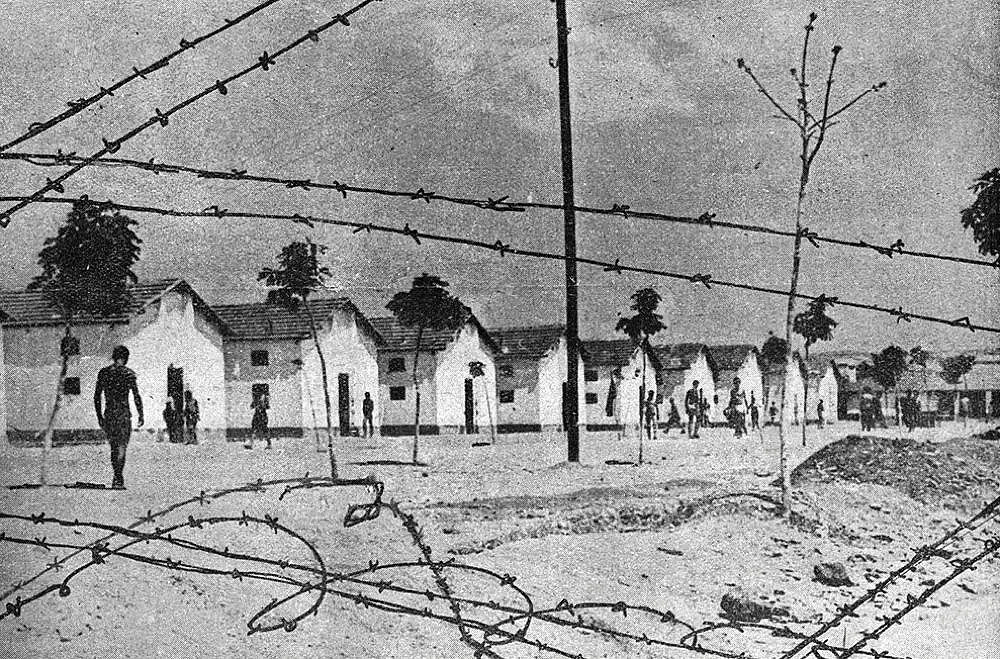
In a world at war, there was no question of the older high school students remaining inactive. Everything contributed to keeping them mobilised. The first form of resistance to the occupying forces was to escape from France to Great Britain, where the war against the Nazis continued. This required crossing the Pyrenees, and travelling via Spain, Portugal, Gibraltar, Algeria etc. More than ninety students and at least three teachers attempted the journey. Some were stopped and spent time at the Miranda del Ebro prison and internment camp before continuing on their way. Others were intercepted and deported to Germany or Austria. Others succeeded and joined officer training colleges and the Polish army (land, air and navy) in Great Britain.
Escape routes (Les Villardiens, Ewa Valentin-Stączek)
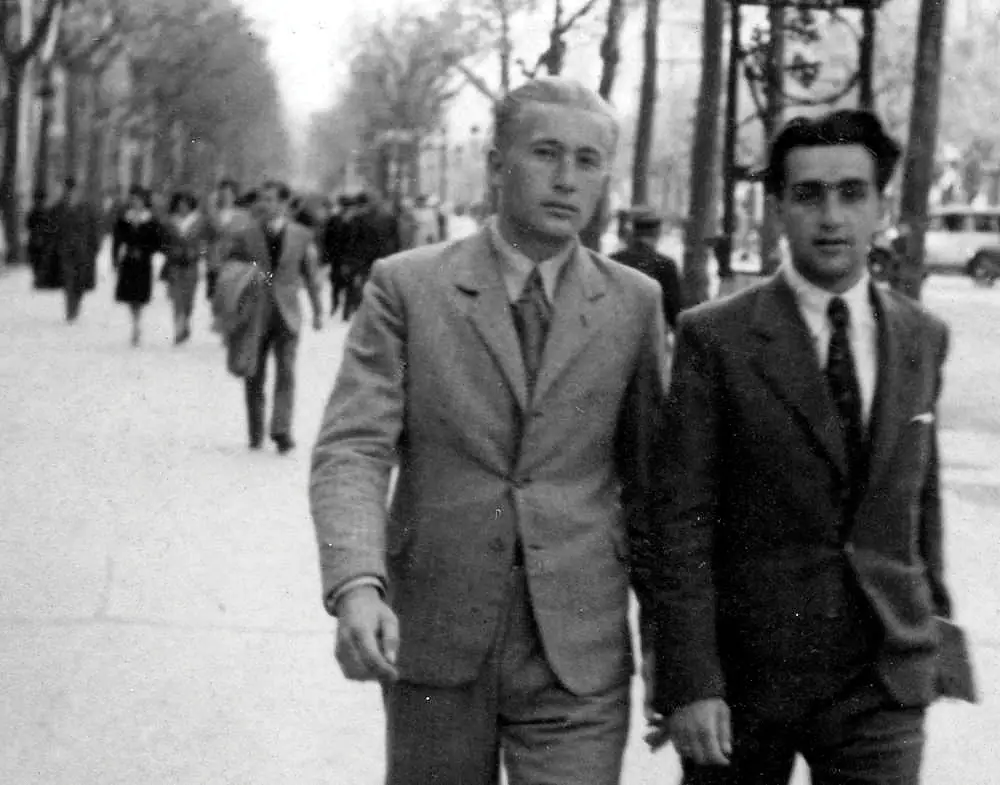
Stanislaw Kozlowski and Zdzisław Stączek in the streets of Barcelona (Polish Resistance fighters in the Vercors, Ewa Valentin-Staczek).
The Miranda de Ebro concentration camp (Public domain).
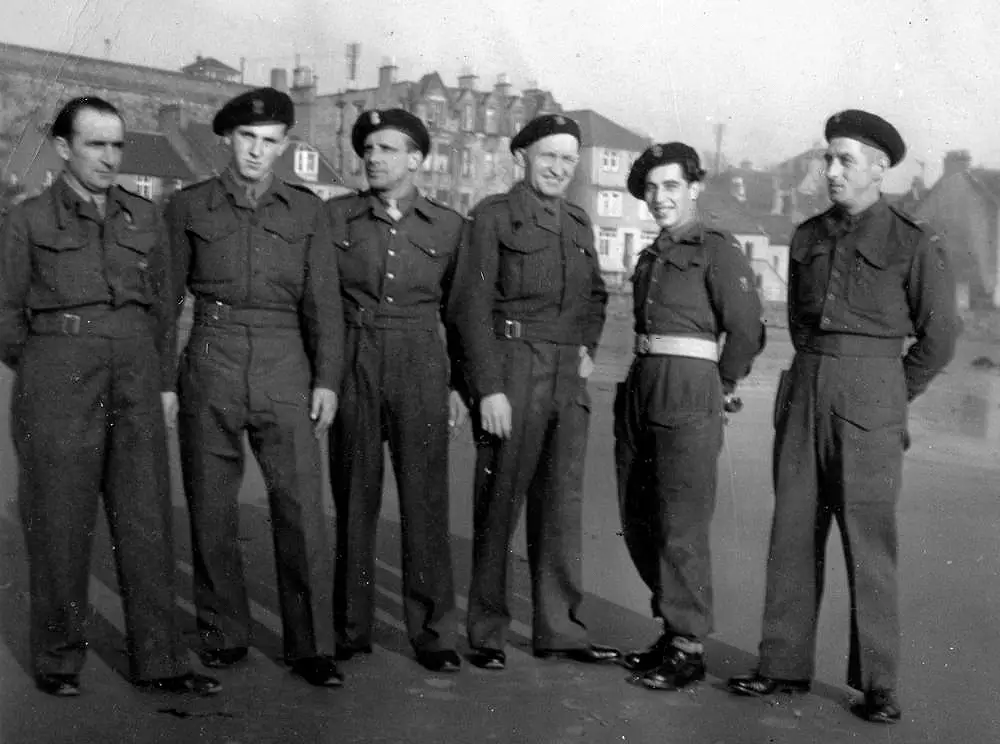
Polish Army soldiers in Scotland (Association Mémoire du lycée polonais - Polish High School Memorial Association).