2.2.1 “Who chose the name Cyprian Norwid?”
—Lucjan Owczarek, student. La Voix Catholique (The Catholic Voice), 1991
The defeat of 1939 led to the arrival in France of Polish families, civil servants and isolated young emigrants. These young people had attended high schools, but even though they were living in Paris, most of them did not speak French. The idea was to organise teaching for them, if possible in the capital, to avoid them losing a year.
Despite the unfavourable situation, Father Cegielka, whose plan to open a Polish school in Amiens had just failed, did not give up. When the embassy refused to help with the enormous expenses, he set up a committee to organise the school with the help of Madame Lipska, the ambassador ‘s wife. At the end of October, the Polish School opened its doors in a former public school, the Institut du Panthéon, at 11 rue de Fleurus. The headmaster was Mr Mélandre. His Polish wife Halina Mélandre worked with the Polish mission and with Madame Lipska.
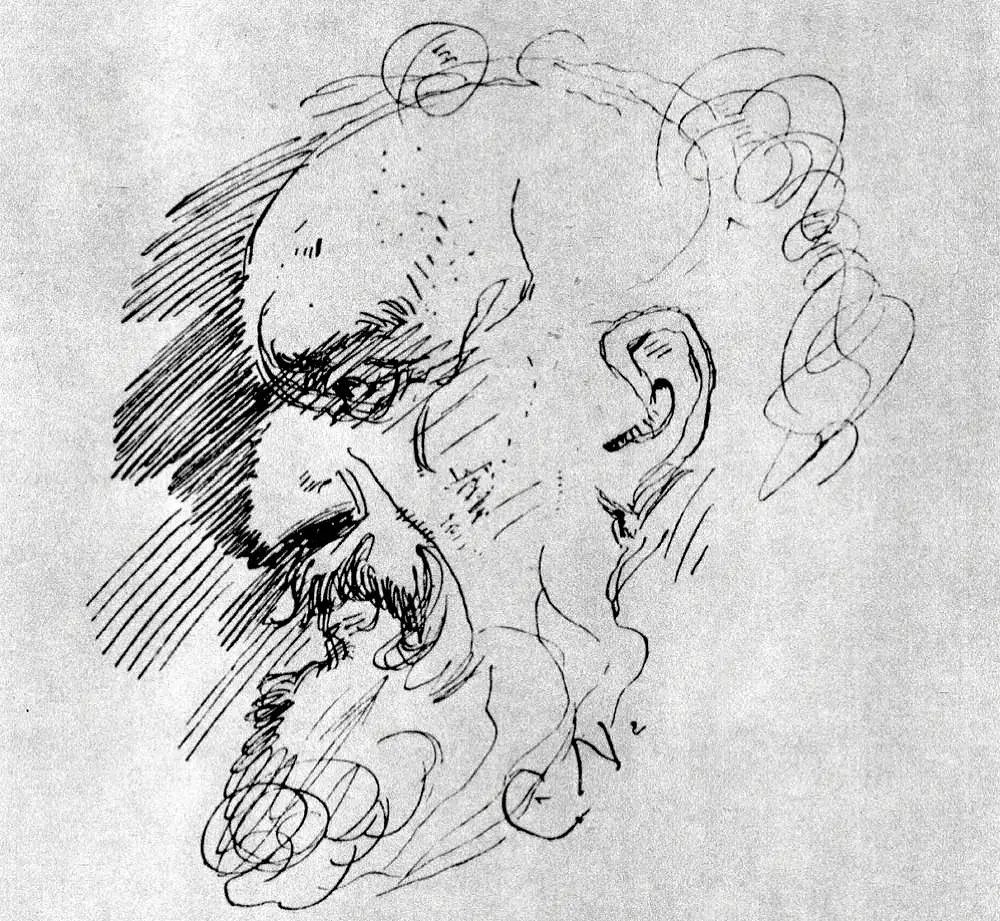
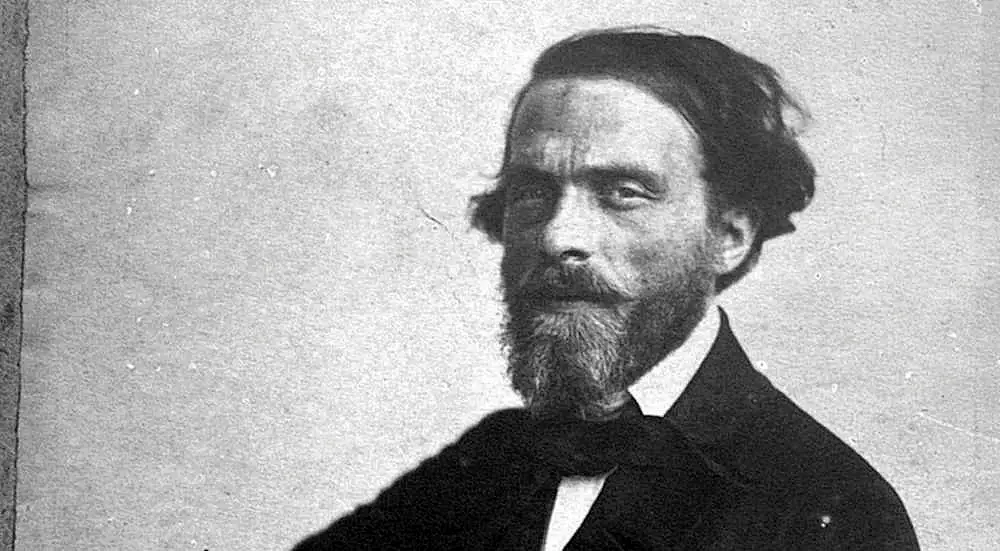
Who chose the name Cyprian Norwid? Father Cegietka? Mr. Zaleski? Father Jakubisiak? Madame Irène Galezowska? To this day, we do not know. My personal memories lead me to think it was Zaleski. On his return from Poland as government delegate for cultural affairs in France, he supervised the school. During one of his visits, he surprised us by saying that the school was going to be named after Cyprian Norwid, whom not everyone knew and who didn ‘t have the prestige of someone like Mickiewicz, for example… Then later, Zaleski dedicated a book to Norwid in which he expressed his admiration for the poet and highlighted his importance in literature.