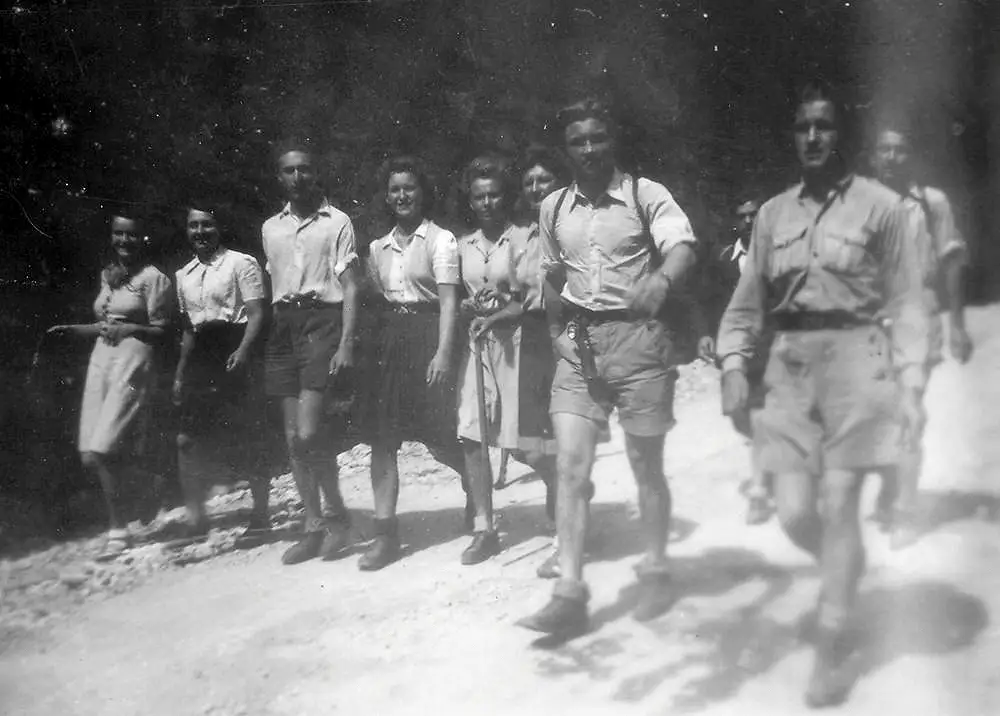
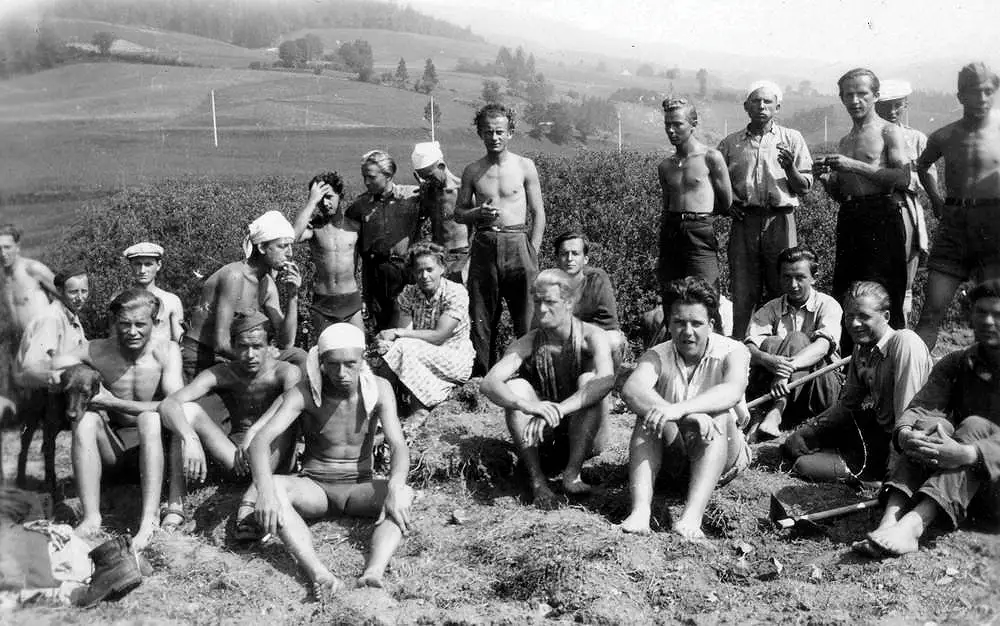
4.2.1 “There was always room for humour.”
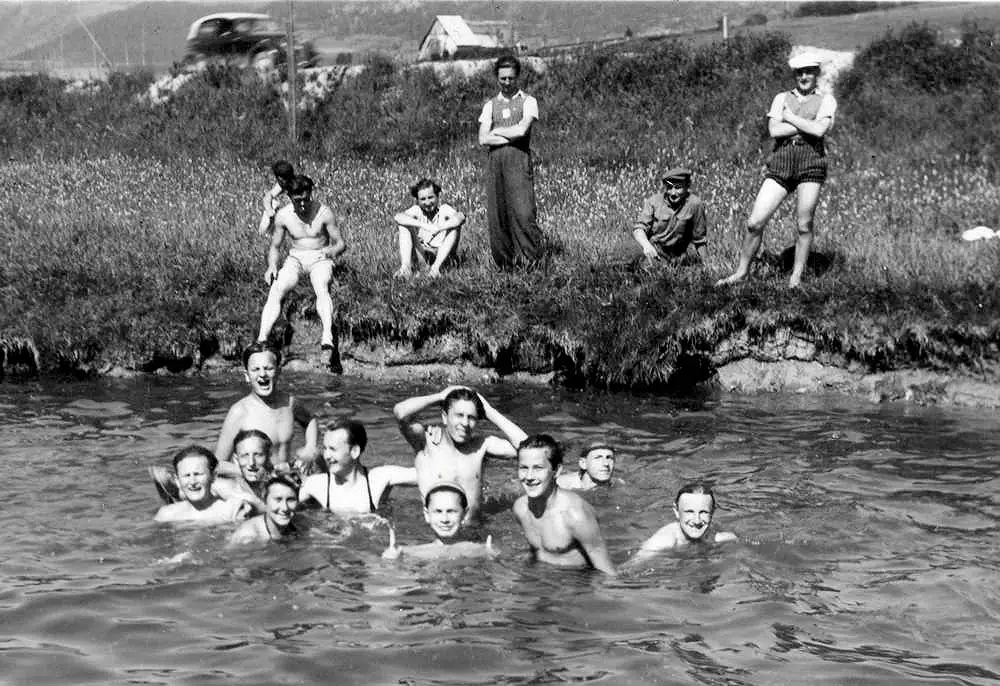
—Tadeusz Łepkowski, student. A free Polish school in occupied France (2012), based on Wolna szkoła polska w okupowanej francji (1990).
Daily life brought many events, both sad and joyful. Regarding the former, there was illness, and for the latter, celebrations and birthdays. The harsh living conditions (inadequate food and heating, and injuries or trauma from the war) meant that many of the students were in poor health. We tried to play down the frequent colds, to keep our spirits up and dose ourselves with wine, but it was not unusual for a sick student to end up in the infirmary at the Hôtel du Parc with flu, tonsillitis or pneumonia. Nor were the students immune to the great disease of the time: tuberculosis.
But despite all the problems, there was always room for humour. Impromptu parties in our rooms were attended by large numbers of students, which mainly operated on a pot luck basis, in the tradition of such things. Everyone brought what they had: leftover sweets received in parcels, fruit and of course – being in a land of vines – wine. The supervisors turned a blind eye, as long as there wasn ‘t too much noise and the singing did not go on too long (lights out was at ten o ‘clock). The members of the students ‘ association, and the “old-timers” in the final year of high school, most of whom were former soldiers, helped the supervisors on a daily basis and whenever they were needed.
The world of the students was inextricably linked to that of the teachers. There was a real sense of camaraderie between them, because, with rare exceptions, the teaching staff showed a great deal of tolerance and understanding for these often difficult, turbulent and even insolent young people.
Teachers were polite to students, and allowed them to smoke and drink alcohol – in moderation. Only the priests addressed the students using the informal French “tu”, and generally called them by their first names. A certain reserve could be observed in relations between the students and Zaleski, which were generally characterised by admiration. Godlewski had a more relaxed relationship with many of the senior students: it was not uncommon for them to use the informal “tu”, but this in no way detracted from the respect that “Wacek” inspired.